Expert
Safety Advocate Blog: Practical Guideance for Safer Workplaces
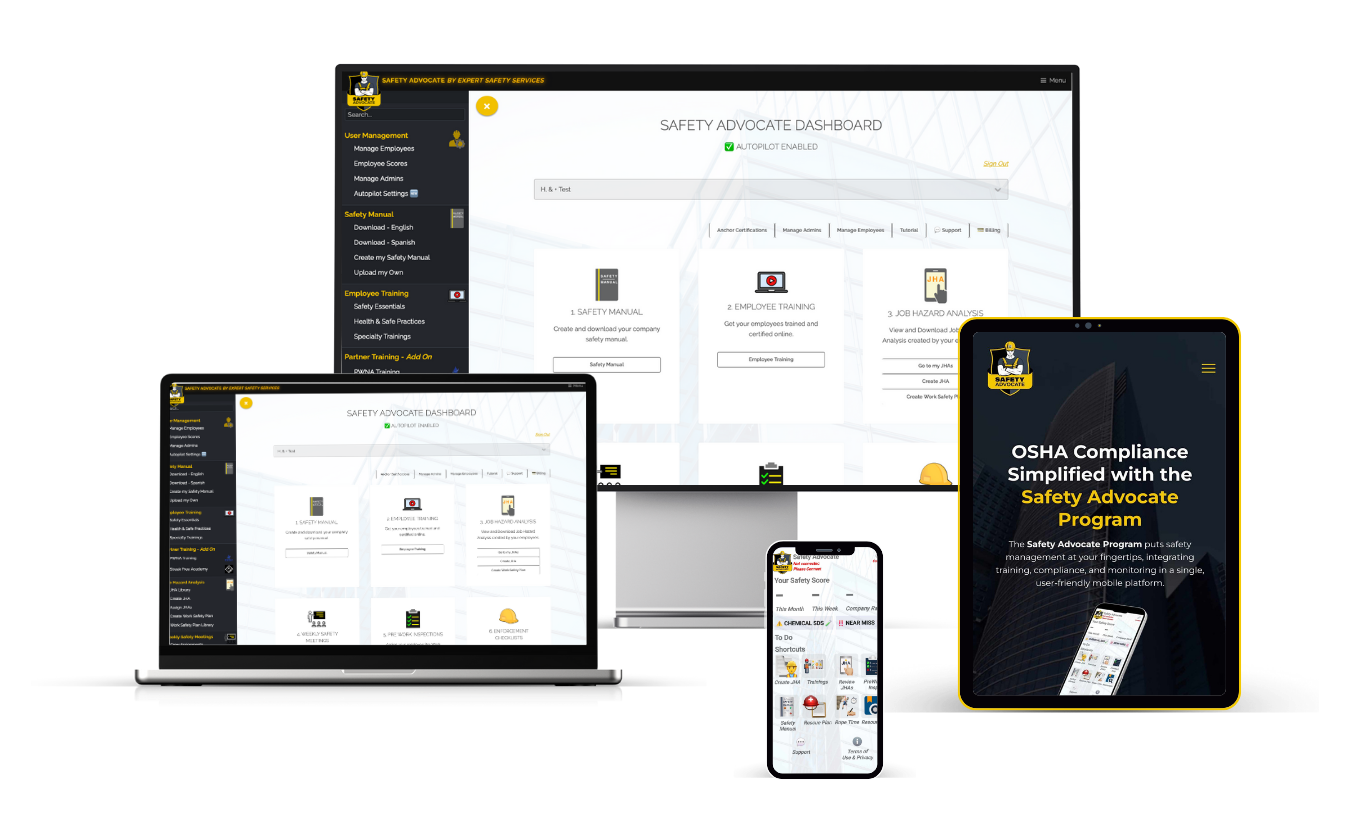
The Safety Advocate Program puts safety management at your fingertips, integrating training, compliance, and monitoring in a single, user-friendly mobile platform.
Featured Articles
This blog post is for informational purposes only, explaining the Safety Advocate Program. It is not legal advice or compliance guidance.
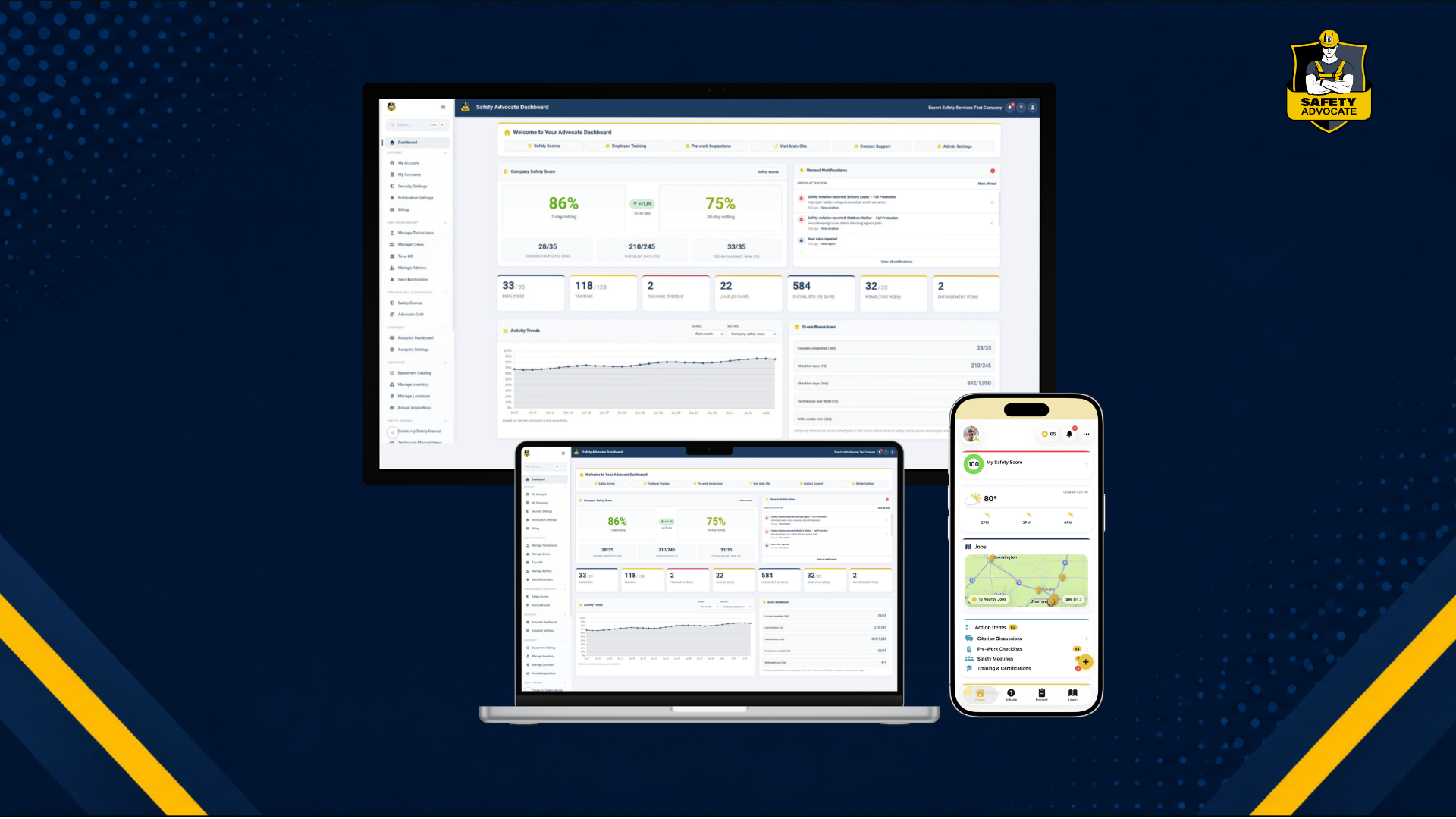
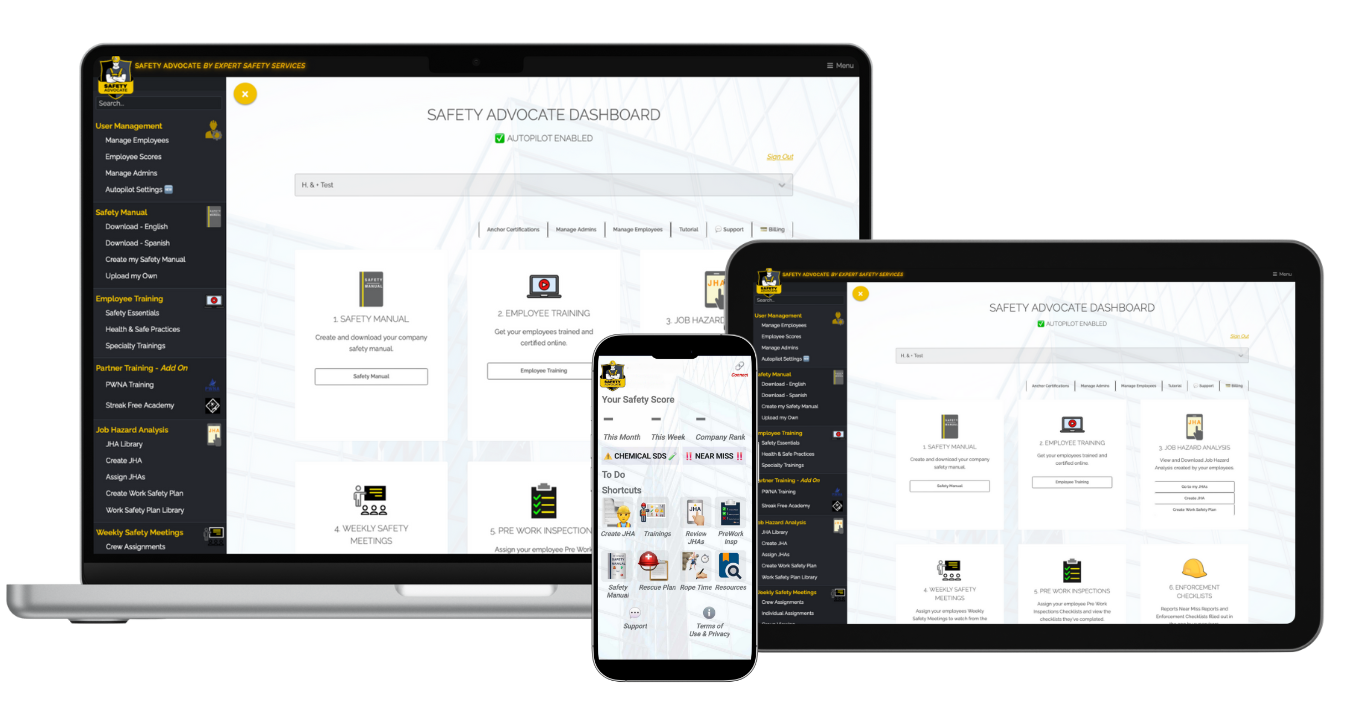
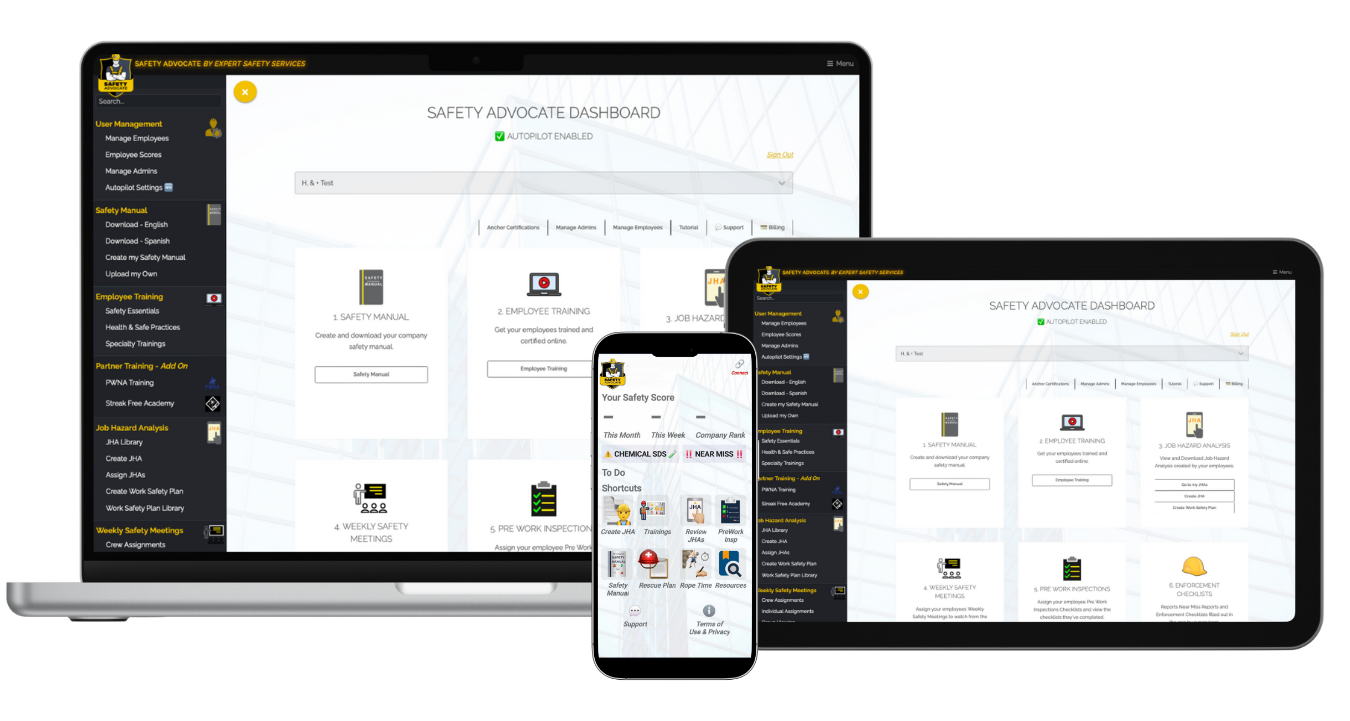
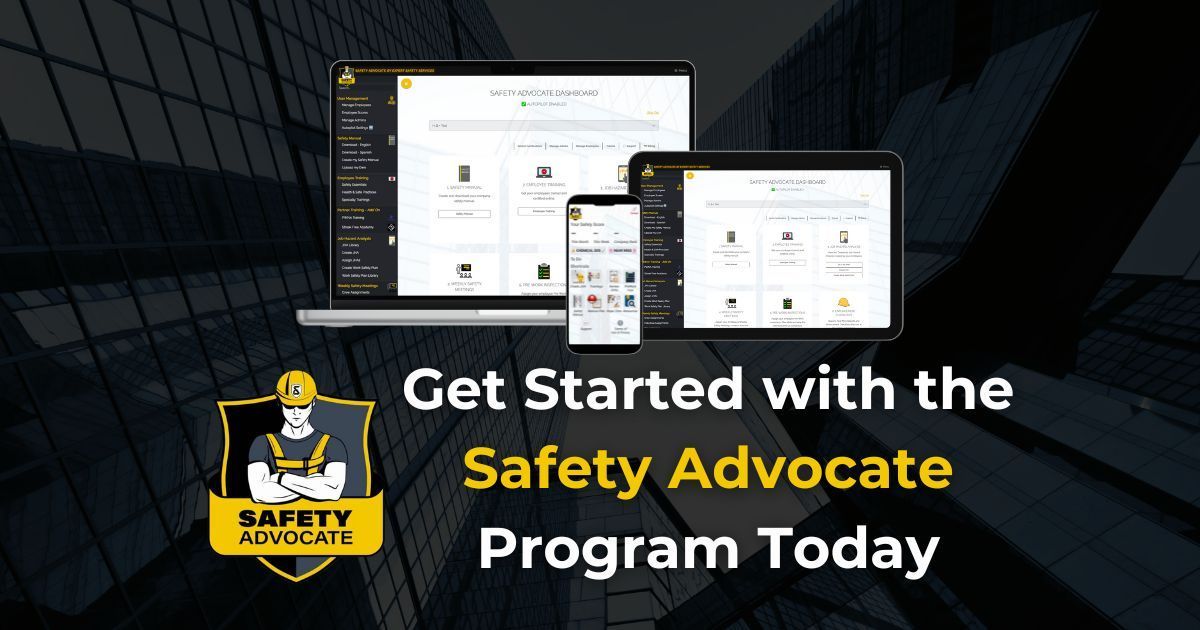
A fresh look, faster workflows, same OSHA-compliant safety management. See what's new in the Safety Advocate Program dashboard.
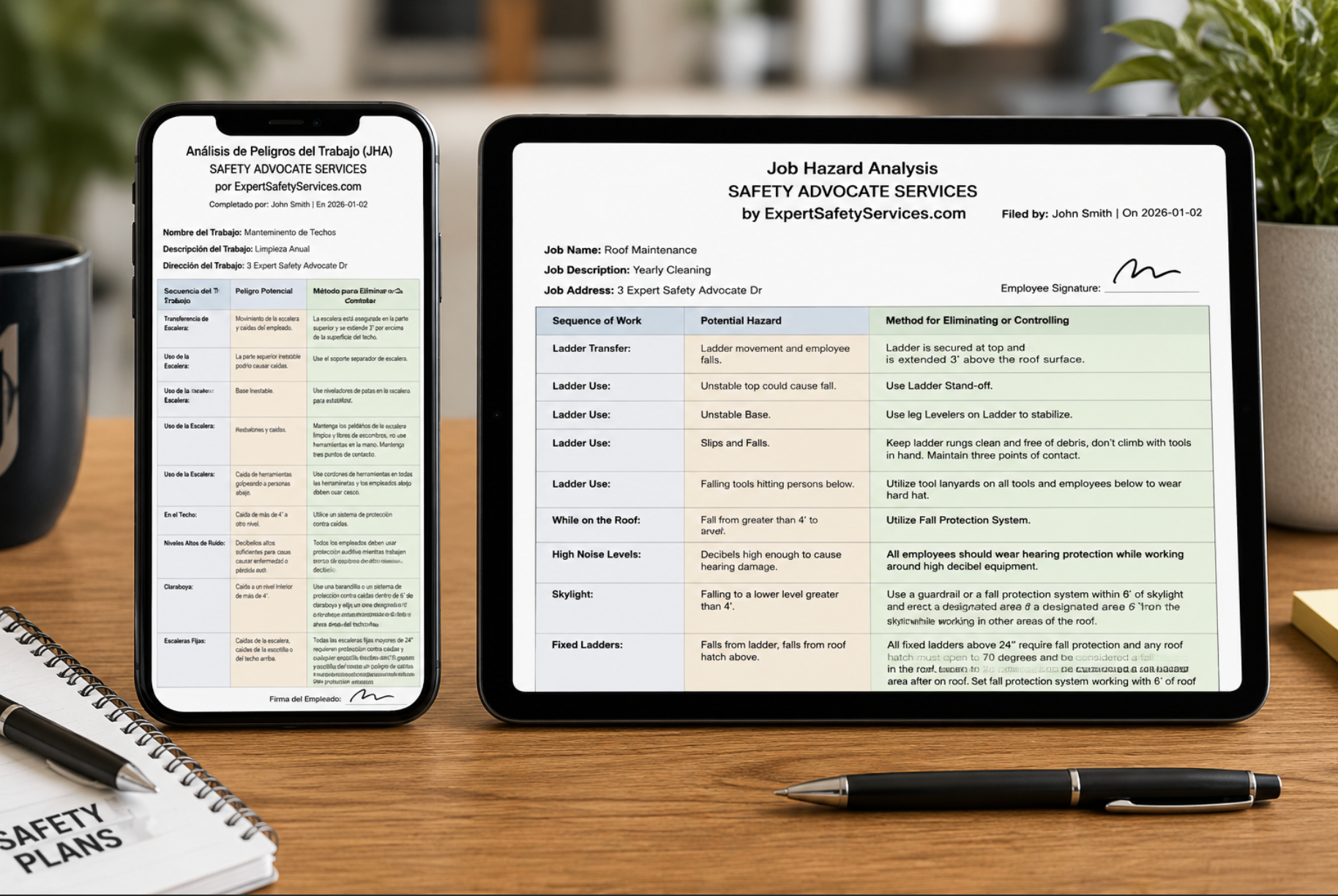
TL;DR: Jobsite Hazard Communication Jobsite Hazard Communication is the practical process of identifying hazards, assessing risks, and clearly communicating controls to the entire team before work begins. It includes two key tools: the Job Hazard Analysis (JHA) for everyday jobs and the Work Safety Plan for larger or higher-risk projects. Done right, it prevents many accidents, meets OSHA requirements, and turns planning into shared understanding. Most accidents don’t come out of nowhere. They happen when a hazard meets a team that didn’t see it coming—or wasn’t clearly told how to handle it. Jobsite Hazard Communication stops that by identifying risks early and making sure every crew member understands the plan. It’s one of the highest-return safety habits you can build—and it’s the third pillar because it turns your safety manual and training into real-world action.
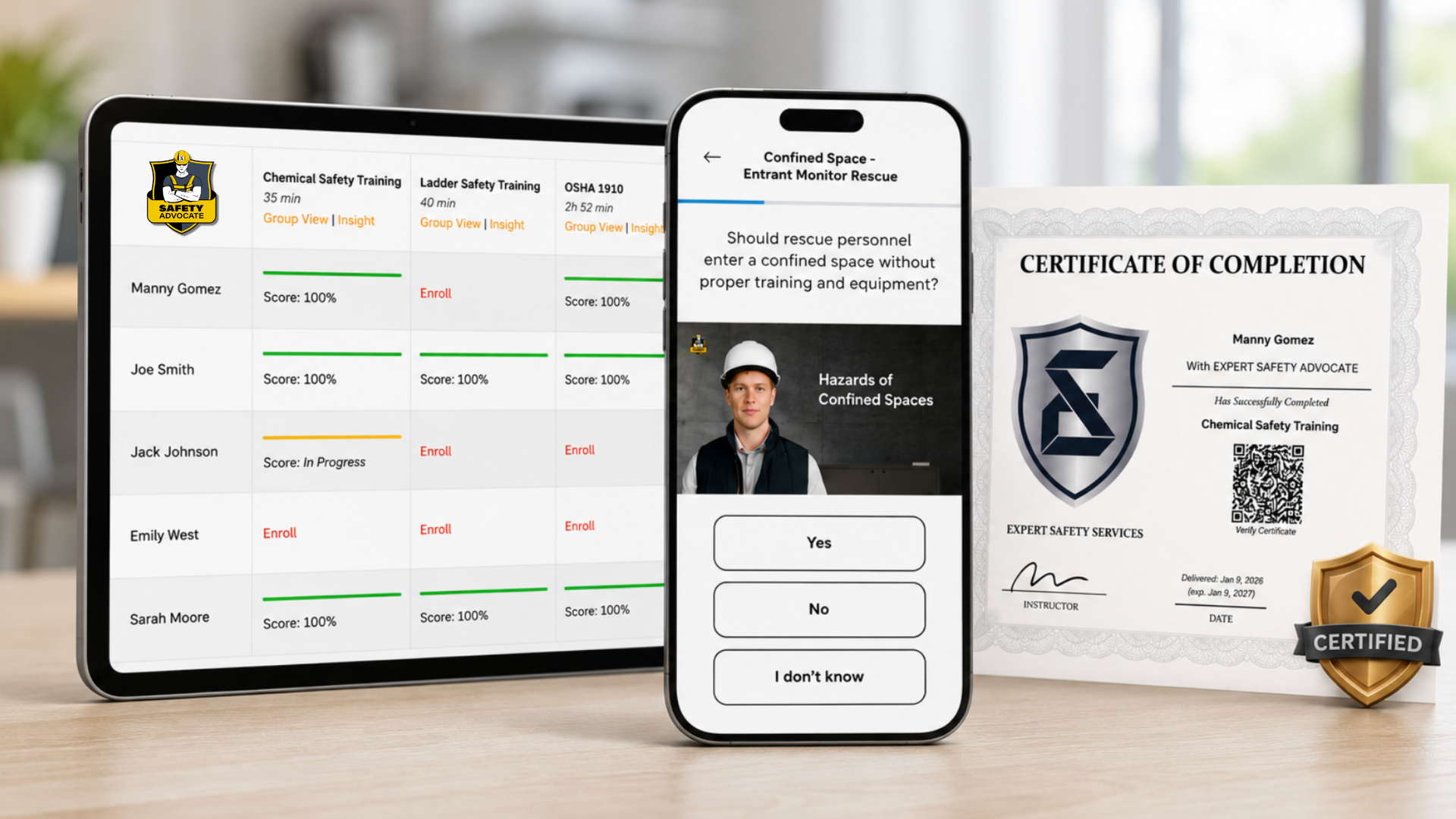
TL;DR: Online Training & Certification Effective online training turns OSHA requirements into practical knowledge that sticks. It covers essential topics like hazard recognition and PPE use, tracks completion for compliance, and fits into busy schedules - helping you r team stay certified, confident, and safe without disrupting the workday. Many teams struggle with training that feels like a chore: long sessions, forgotten details, or schedules that never align. Paper certificates get lost and keeping everything current on certifications can turn into a constant headache. That's why Online Training & Certification is the second pillar - it focuses on making learning flexible, relevant, and something that your crew actually completes and remembers.

TL;DR: The Safety Manual A good safety manual isn't just paperwork—it's the foundation of your safety program's success. It outlines clear policies, meets key OSHA requirements (like written plans for hazards and emergencies), and helps everyone on your team stay safe and consistent. Keep it simple, accessible, and up-to-date for real impact.
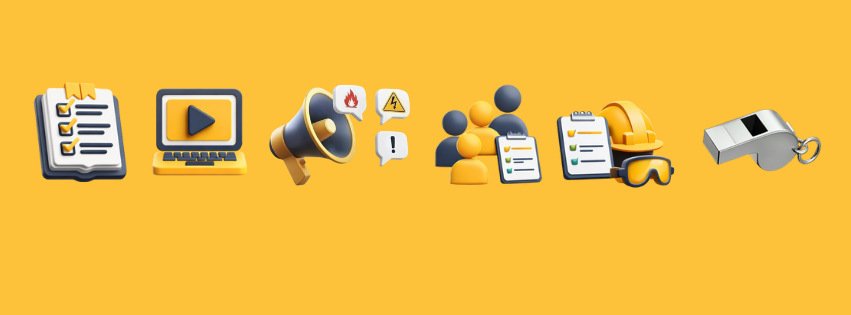
TL;DR: The 6 Pillars of Safety The 6 Pillars of Safety form a practical framework for strong programs: a clear manual, flexible training, Job Hazard Analyses (JHAs), weekly meetings, PPE inspections, and fair enforcement. Together, they make protection consistent and built into daily routines for teams in high-risk trades like solar panel cleaning, window washing, and pressure washing. If there’s one thing clear from real teams in the field, it’s this: safety works best when it’s simple, consistent, and part of the daily routine. That’s the idea behind the 6 Pillars of Safety—six interconnected tools that address common challenges and create a complete, proactive program. Let’s break down each pillar.

At Safety Advocate, we like to keep things simple: people first, stress less, and safety made doable. If you’ve ever felt overwhelmed by training, compliance, or keeping everyone on the same page, you’re in the right place. Here’s what guides every tool, update, and idea we bring to the table.
Welcome to the Blog