Pillar 1: The Safety Manual That’s Actually the Heart of Your Safety Program
Raph Hamelain • June 16, 2026
This blog post is for informational purposes only, explaining the Safety Advocate Program. It is not legal advice or compliance guidance.

TL;DR: The Safety Manual
A good safety manual isn't just paperwork—it's the foundation of your safety program's success. It outlines clear policies, meets key OSHA requirements (like written plans for hazards and emergencies), and helps everyone on your team stay safe and consistent. Keep it simple, accessible, and up-to-date for real impact.
Pillar 1: The Safety Manual—The Heart of Your Safety Program
Let’s face it: too many safety manuals end up collecting dust on a shelf or buried in a forgotten folder. They’re often overly complicated, rarely updated, and feel more like a compliance checkbox than a practical tool your team actually uses. That’s why the Safety Manual stands as the first pillar—it's meant to be the reliable foundation that guides everything else in building a stronger safety culture.
A Manual Built for Real Teams and Real Work
In high-risk industries like solar installation, window washing, and pressure washing, a safety manual needs to speak directly to the hazards your crew faces every day—things like working at heights, handling chemicals, or using pressurized equipment. The best ones use plain language, avoiding dense jargon so that everyone, from new hires to experienced workers, can understand and apply the guidelines quickly.
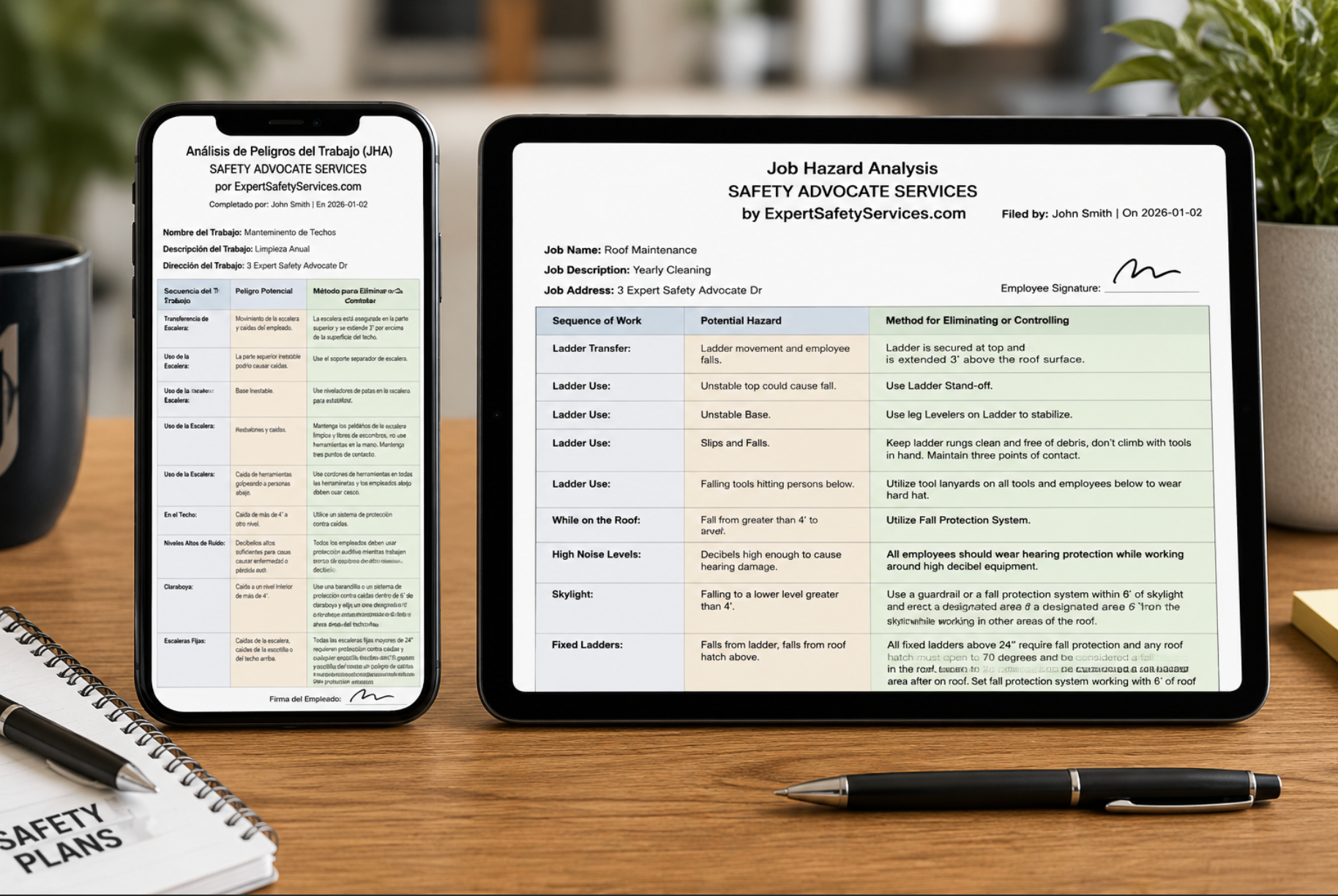
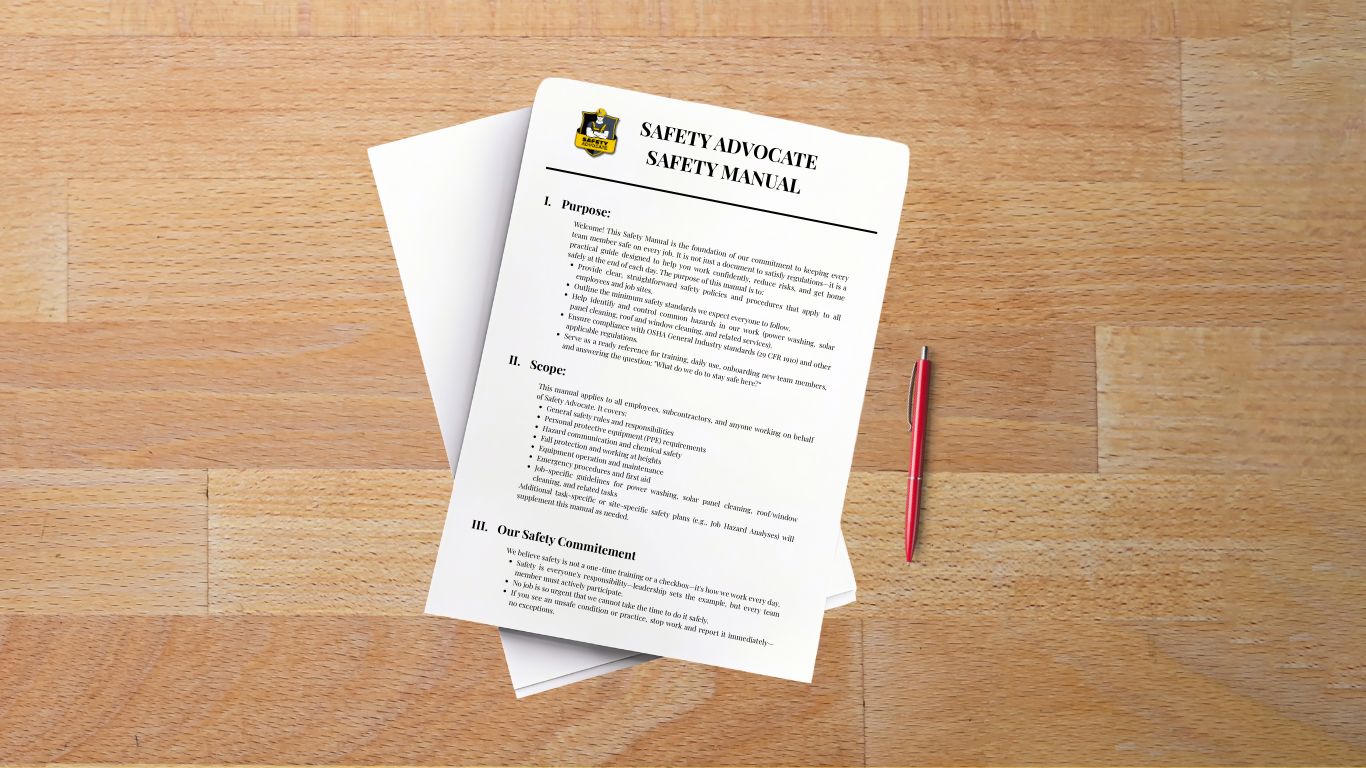
Under OSHA's General Industry standards (29 CFR 1910), there's no single requirement for a massive "master manual," but many rules call for written programs on specific topics, such as emergency action plans (1910.38), hazard communication (1910.1200), or respiratory protection (1910.134). A well-organized manual brings these together into one clear resource, making compliance straightforward without the overwhelm.
Keeping it Current and Accessible
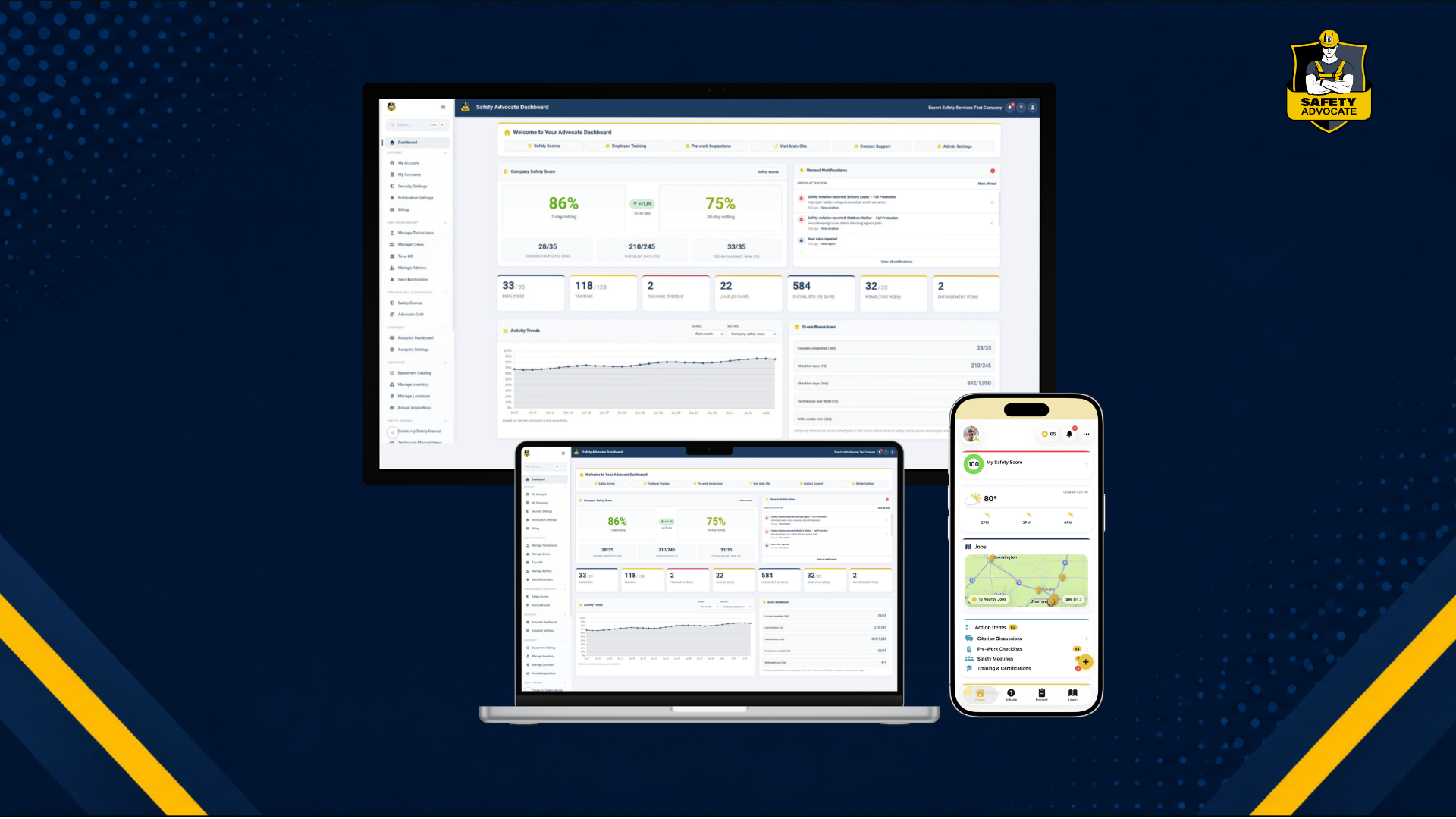
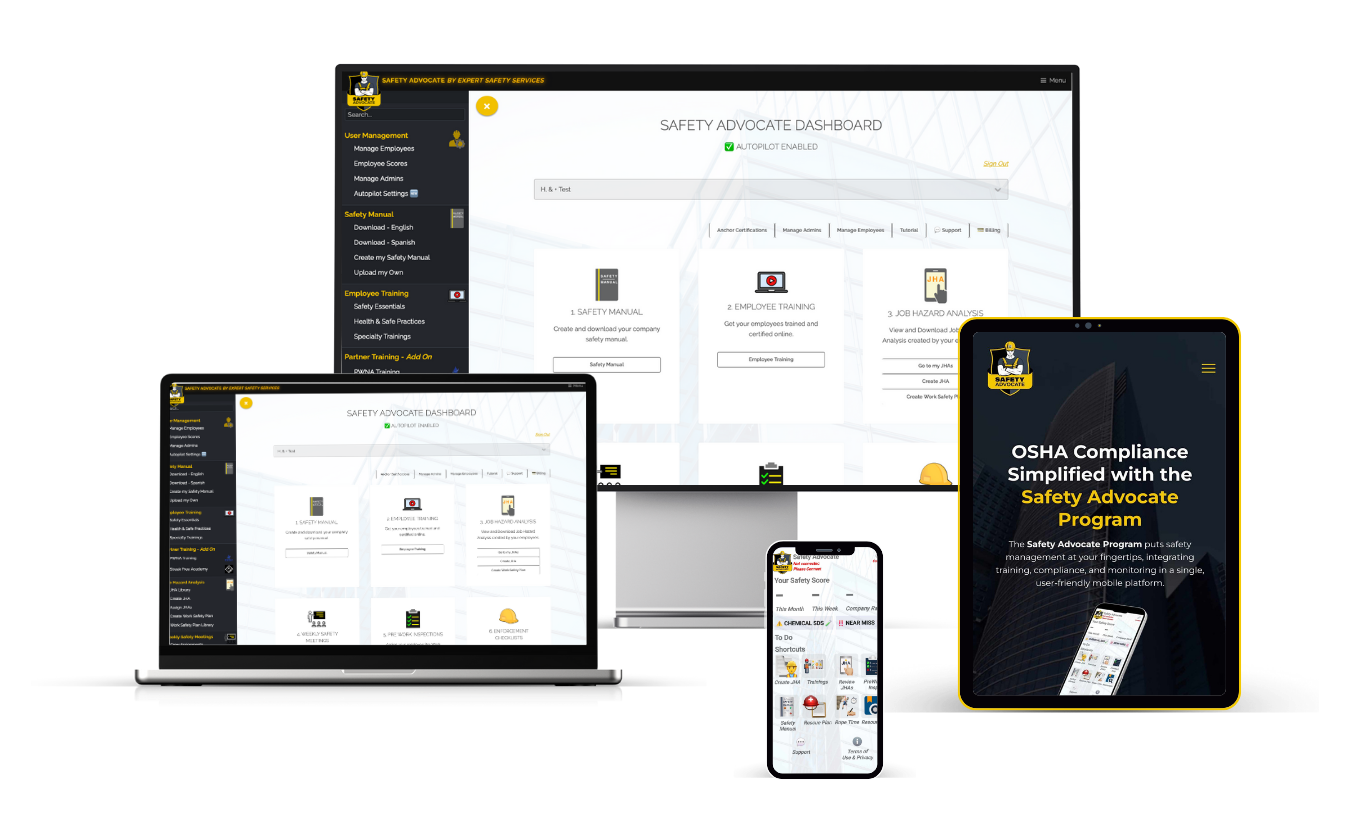
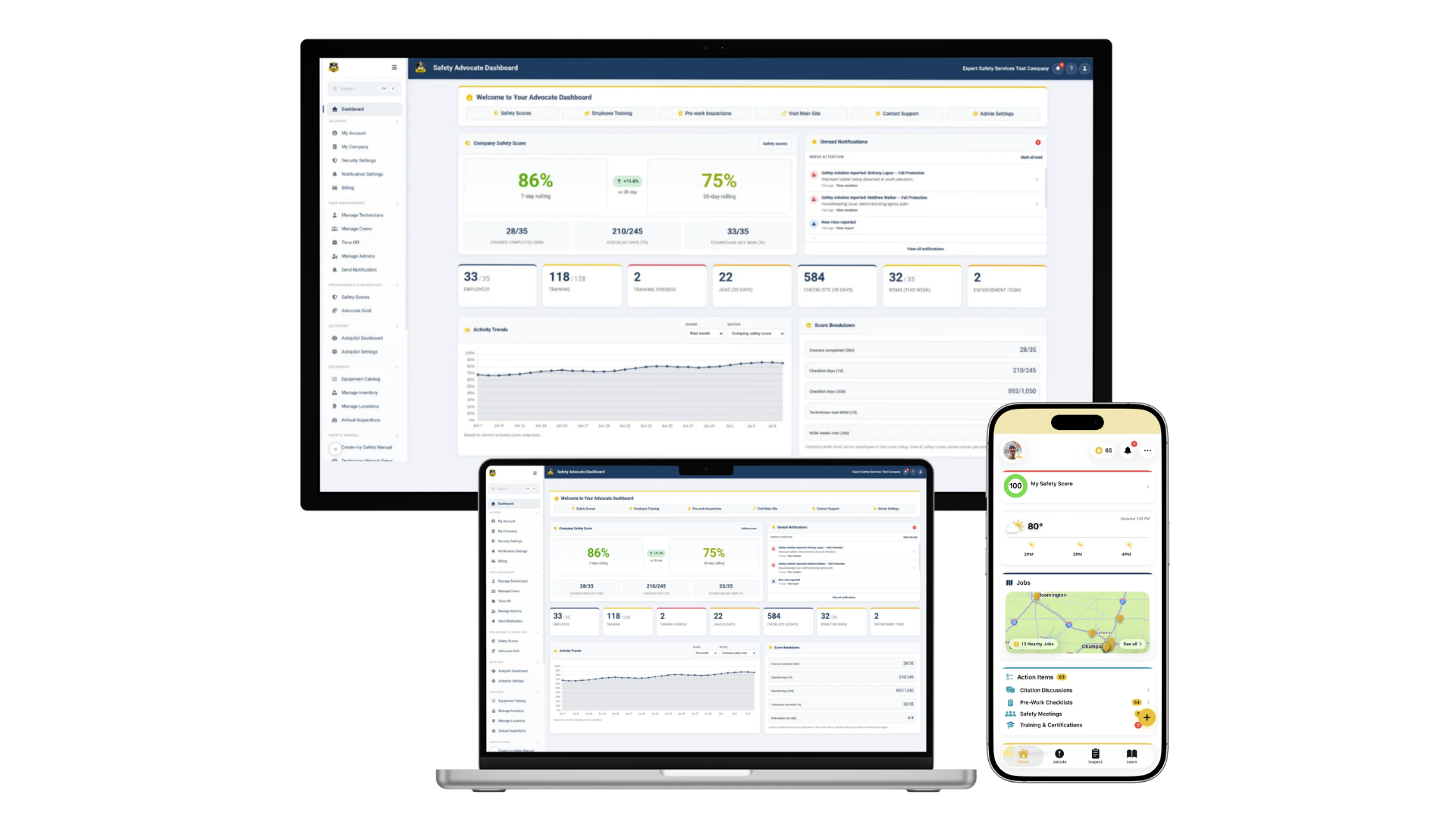
Regulations can change, new best practices emerge, and your team evolves. The key is having a manual that's easy to review and update as needed. Digital access—through a dashboard or mobile app—means it's always available on the job site, whether someone's in the office or up on a roof. This ensures the information stays relevant and ready when it matters most.

Building Consistency and Confidence on the Job
More than meeting rules, a strong safety manual creates unity. When everyone follows the same straightforward guidelines, it reduces confusion, lowers risks, and helps build habits where safety feels natural. Workers gain confidence knowing exactly what to do in common scenarios, contributing to fewer incidents and a team that looks out for each other.
A Practical Tool for Onboarding and Daily Use
For bringing on new team members or refreshing policies, an accessible manual is invaluable. It serves as a go-to reference for quick reviews, helping reinforce training and show your commitment to protection without adding extra hassle to busy days.
In the end, a great safety manual is the cornerstone of a proactive safety program—simple, worker-focused, and effective. It sets the tone for the rest of your efforts, helping everyone get home
safe.
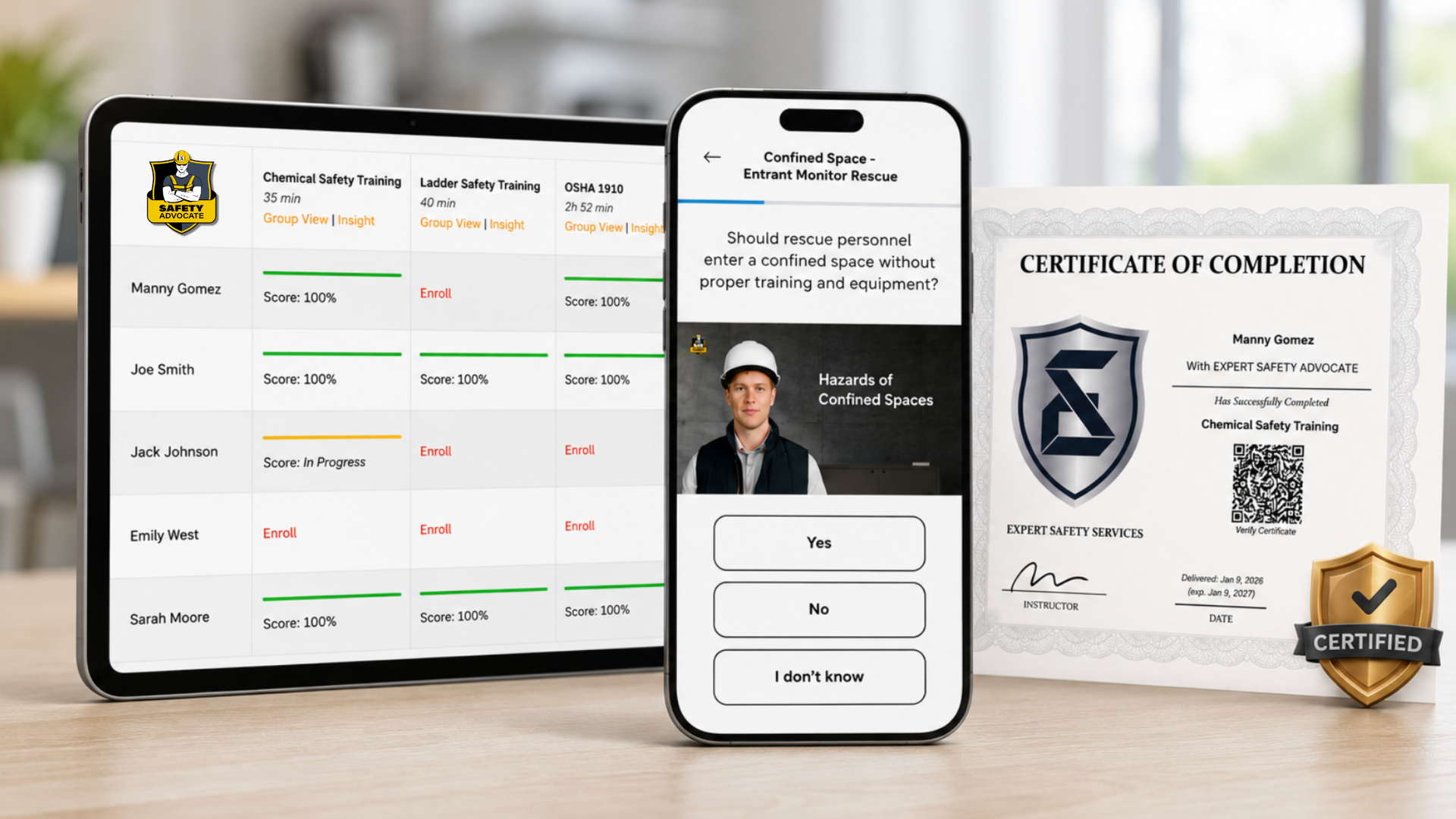
Up next: Pillar 2—Online Training that's flexible, engaging, and actually gets completed.
This blog post is for informational purposes only, explaining the Safety Advocate Program. It is not legal advice or compliance guidance.
Contact us today to learn more about the Safety Advocate Program.
Contact Us
Featured Articles
This blog post is for informational purposes only, explaining the Safety Advocate Program. It is not legal advice or compliance guidance.