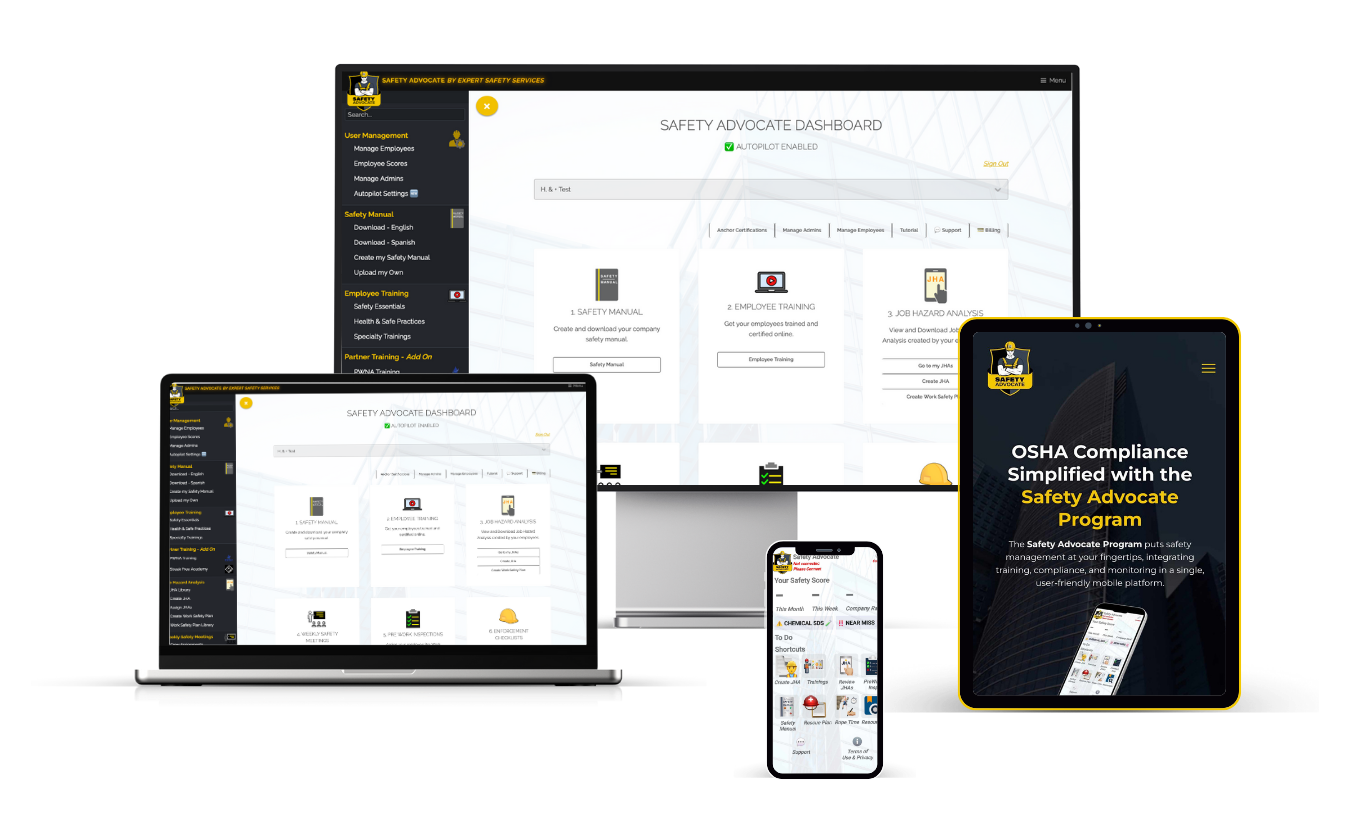
Pillar 2: Online Trainings That Fit Busy Schedules
Raph Hamelain • June 16, 2026
This blog post is for informational purposes only, explaining the Safety Advocate Program. It is not legal advice or compliance guidance.
TL;DR: Online Training & Certification
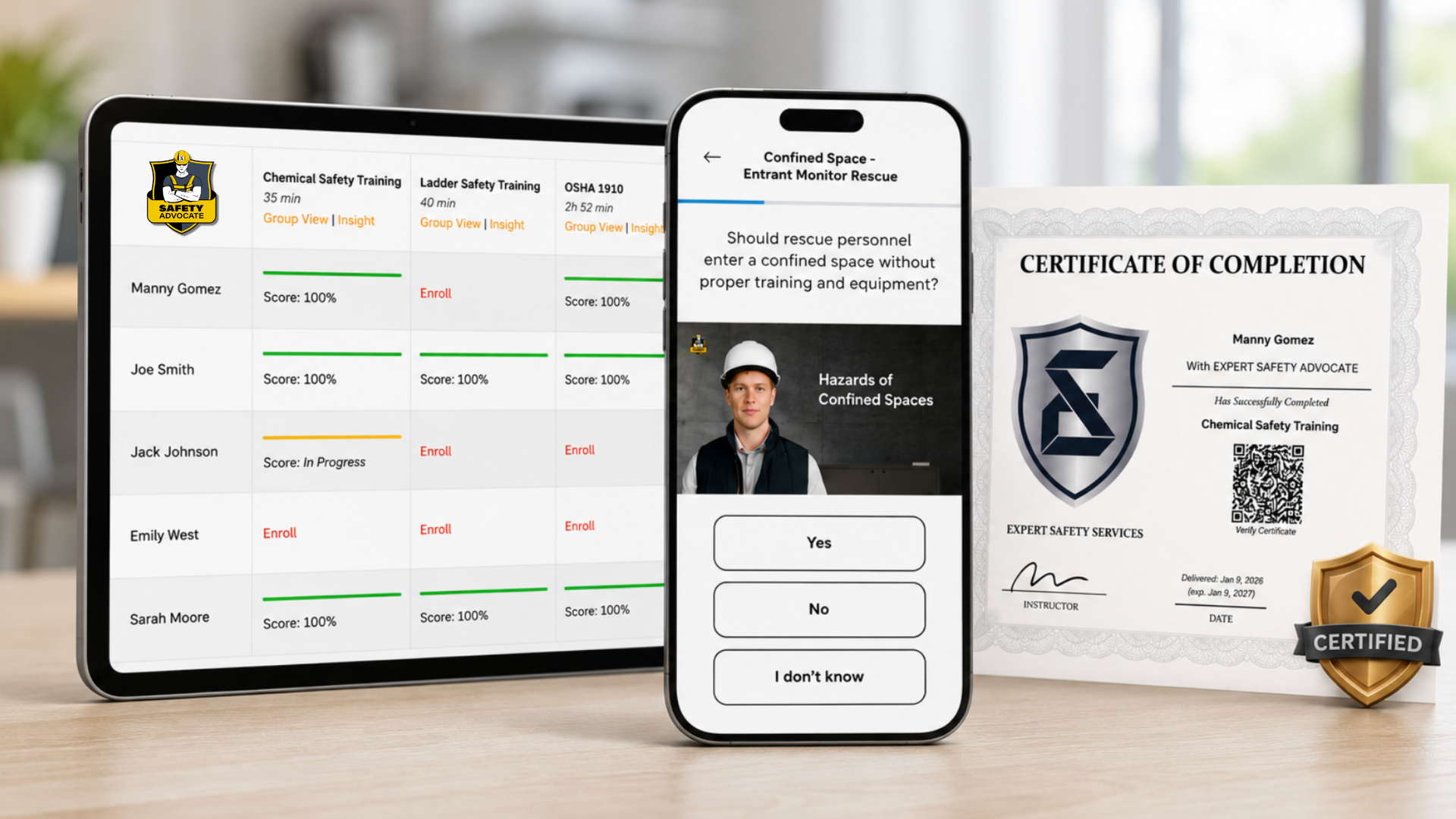
Effective online training turns OSHA requirements into practical knowledge that sticks. It covers essential topics like hazard recognition and PPE use, tracks completion for compliance, and fits into busy schedules - helping you r team stay certified, confident, and safe without disrupting the workday.
Many teams struggle with training that feels like a chore: long sessions, forgotten details, or schedules that never align. Paper certificates get lost and keeping everything current on certifications can turn into a constant headache. That's why Online Training & Certification is the second pillar - it focuses on making learning flexible, relevant, and something that your crew actually completes and remembers.
Training Tailored to Your Industry's Real Risks
In fields like solar panel cleaning, window washing, and pressure washing, workers face specific hazards daily - falls from heights, chemical exposure, electrical risks, equipment mishaps, and much more... Good training addresses these head-on with clear, straightforward content that speaks to those situations.
OSHA's General Industry standards (29 CFR 1910) require training whenever there's a new hazard or process. For example:
- Personal Protective Equipment (PPE) training under 1910.132
- Respiratory Protection under 1910.134 (includes fit testing)
- Hazard Communication (HazCom) for chemicals under 1910.1200
- Fall Protection under 1910.30
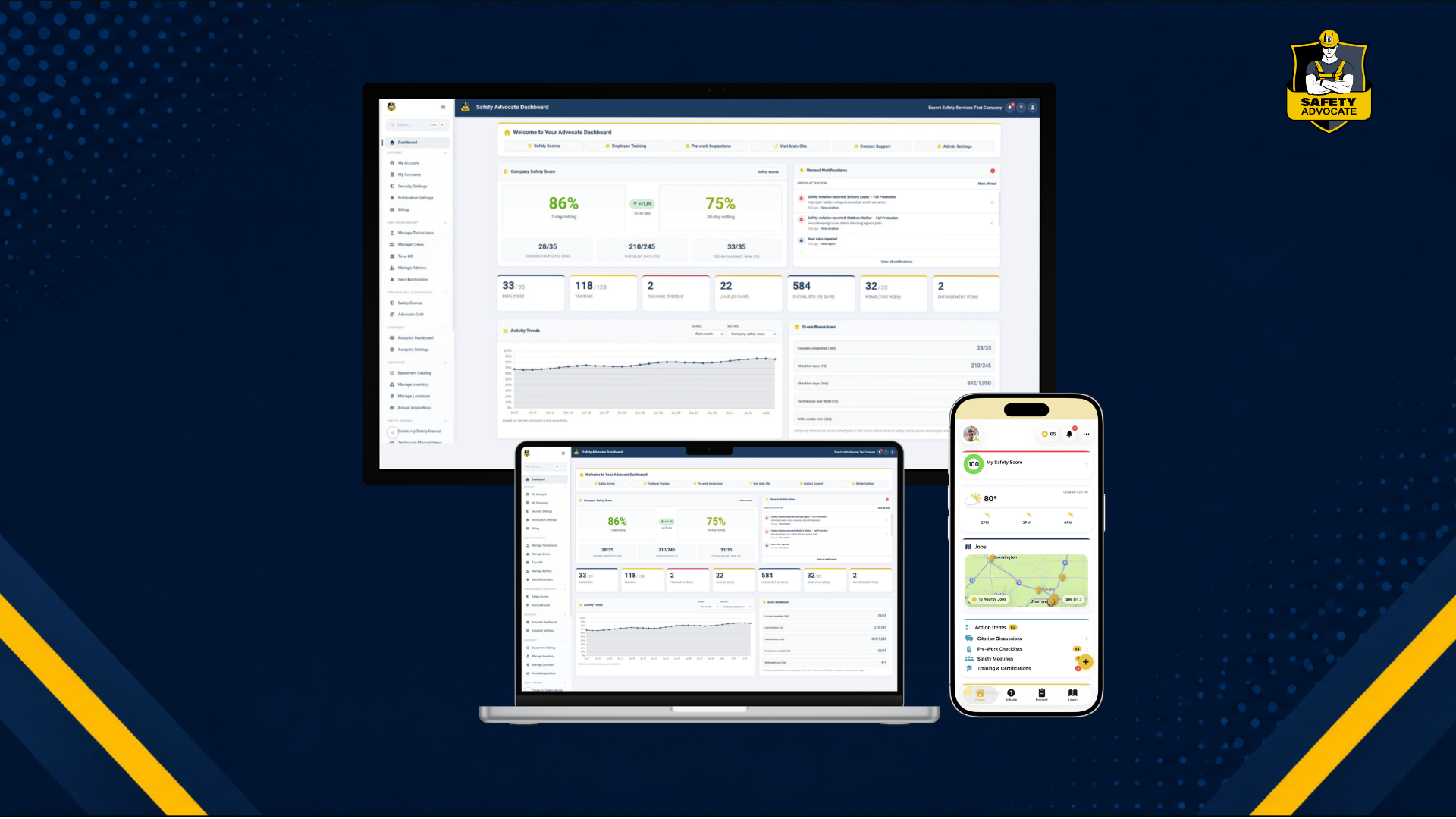
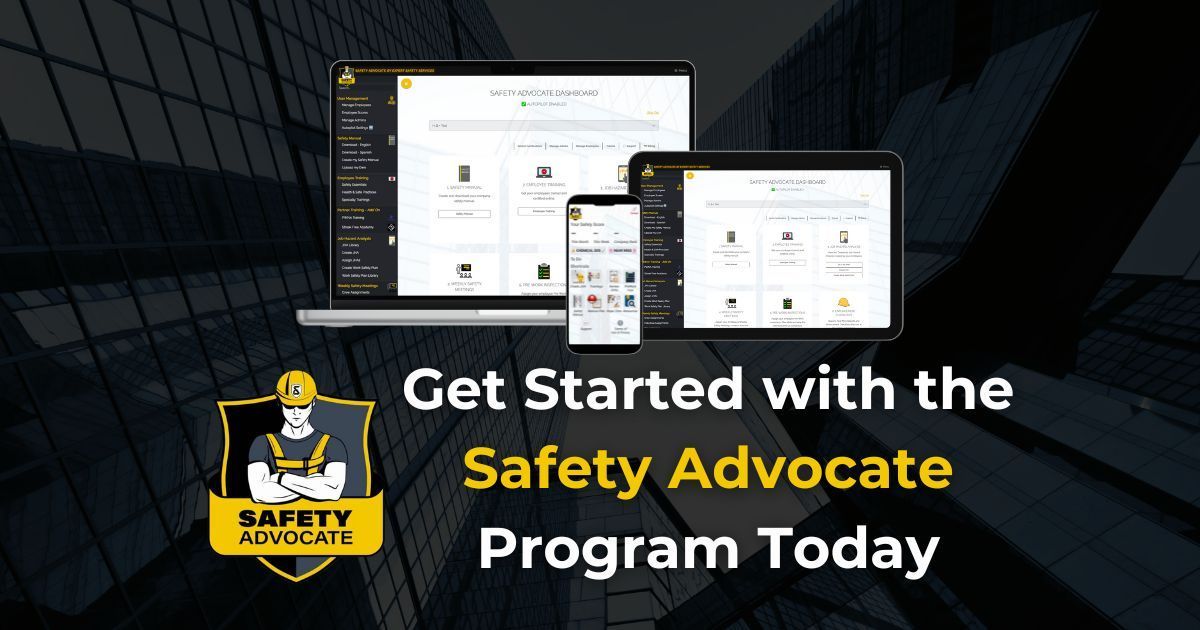
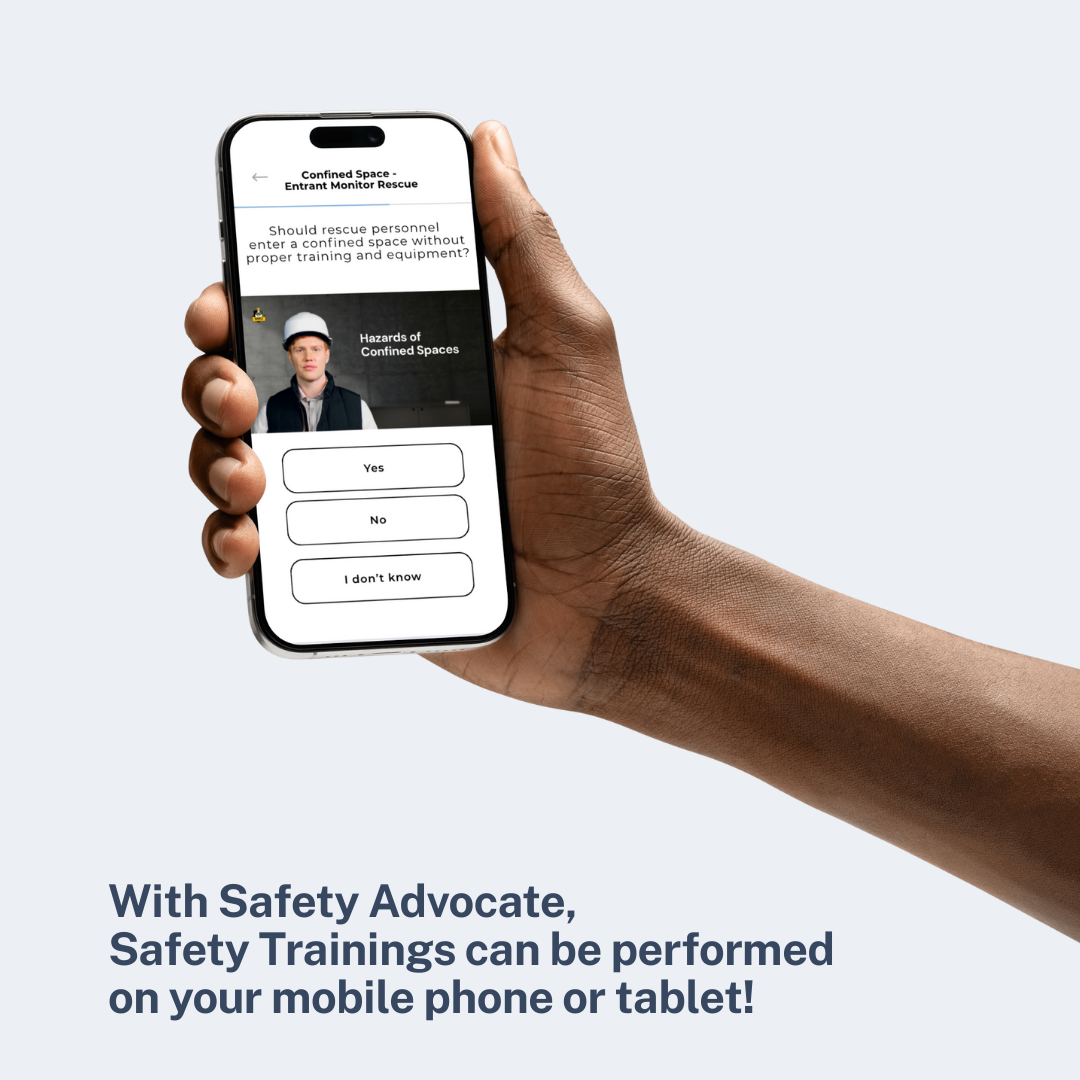
Safety Advocate allows you to deliver this information in bite-sized modules - short videos, quizzes, and real-world examples- that workers can complete on their phone or tablet.
Flexible and Trackable for Busy Teams
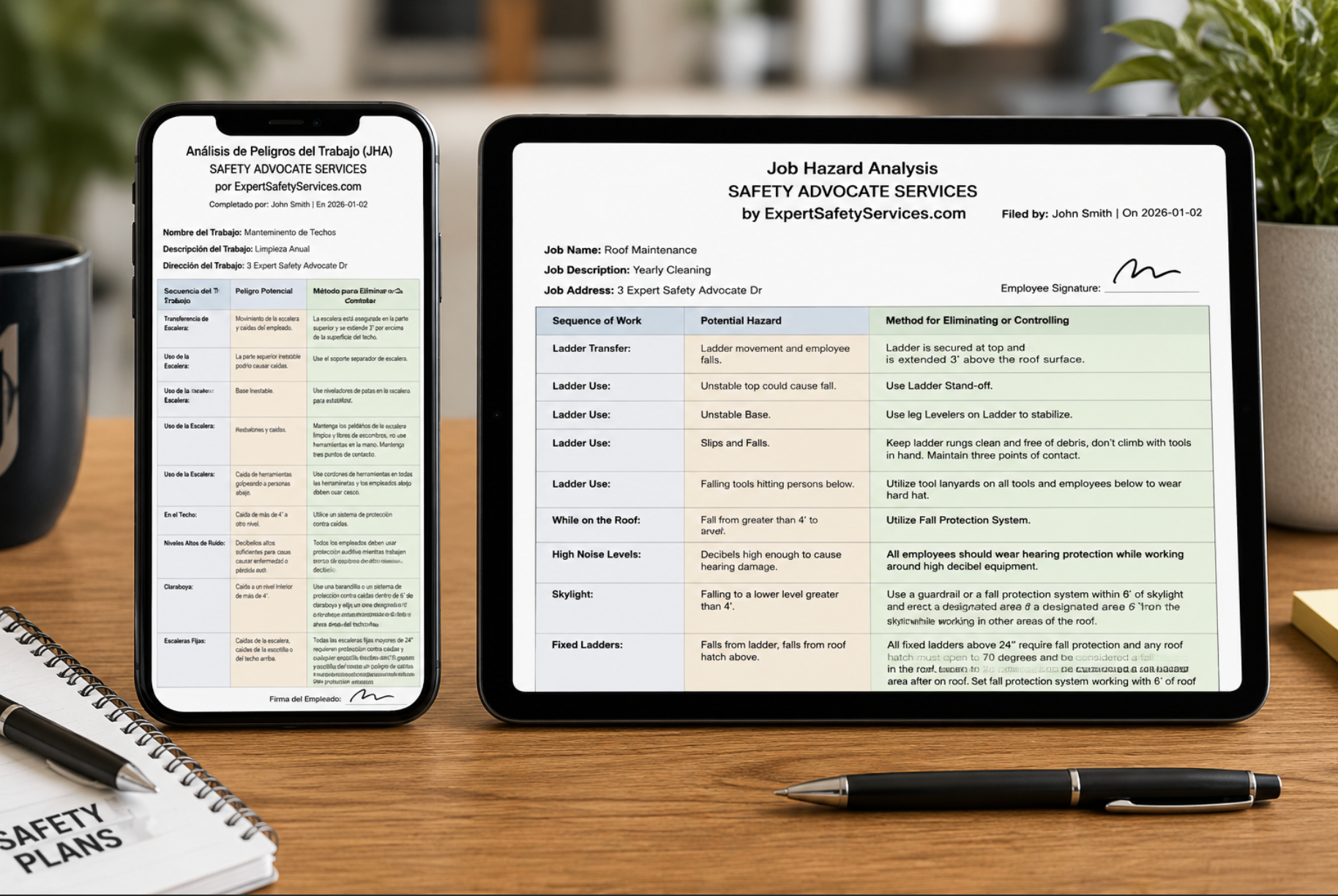
The best part of online training is how it fits real life. Team members can learn at their own pace, pause and resume as needed, and access materials in English and Spanish. Automatic tracking means you always know who's completed what, when refresher training is due, and which certifications are current - no more digging through files or wondering if everyone is up to date.
This approach not only meets OSHA documentation needs but also helps build lasting habits. Quick quizzes reinforce key points, and completion records provide proof during inspections.
Turning Compliance into Confidence
When training is engaging and practical, workers don't just check a box - they gain real understanding. They learn to spot hazards early, use equipment correctly, and respond calmly in tough situations. Over time, this leads to fewer close calls, stronger team morale, and a workplace where safety feels like a part of the job, not an extra step.
A Foundation for Growth and Retention
Regular, accessible training also helps with onboarding new hires quickly and keeping experienced workers sharp. It shows your team you're invested in their protection and professional development, which can make a big difference in retention - especially in demanding trades.
In short, strong online training and certification keep your safety program moving forward. It equips everyone with the knowledge they need to handle risk confidently, making the workplace safer for all.
Up Next: Pillar 3 - Job Hazard Communication that helps spot risks before work even starts.
This blog post is for informational purposes only, explaining the Safety Advocate Program. It is not legal advice or compliance guidance.
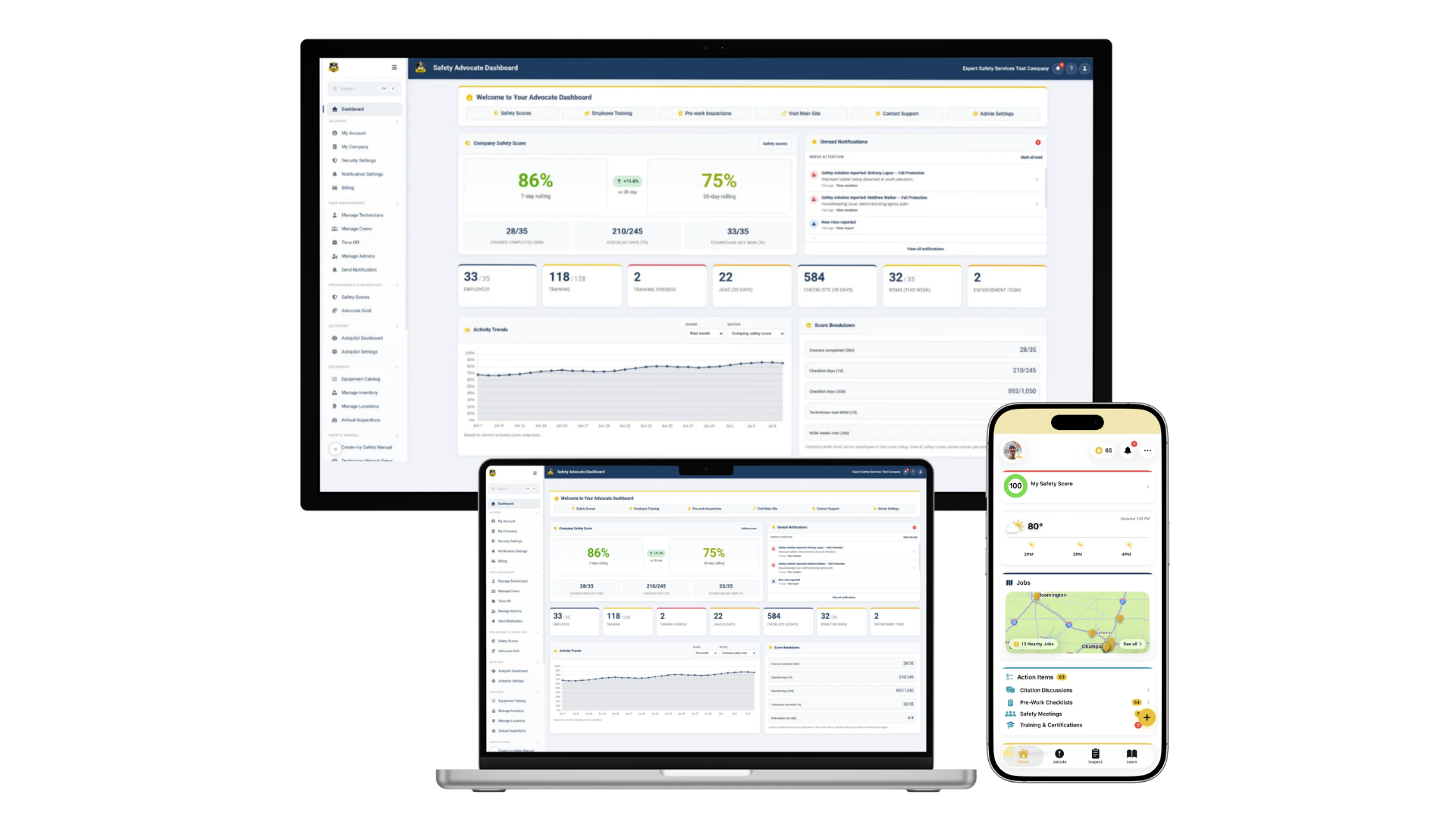
Contact us today to learn more about the Safety Advocate Program.
Contact Us
Featured Articles
This blog post is for informational purposes only, explaining the Safety Advocate Program. It is not legal advice or compliance guidance.