Pillar 4: Weekly Safety Meetings - Keeping Safety Conversations Alive
Raph Hamelain • November 24, 2026
This blog post is for informational purposes only, explaining the Safety Advocate Program. It is not legal advice or compliance guidance.
TL;DR: Weekly Safety Meetings
Weekly safety meetings keep skills sharp and awareness high through short, engaging sessions - often centered on quick safety videos (3-5 minutes). These videos reinforce key topics, can be assigned for individual viewing or used to spark group discussions, and help meet OSHA's ongoing training needs without disrupting busy schedules.
It's easy for safety to fade into the background amid tight deadlines and daily tasks. That's where weekly safety meetings come in - they're the fourth pillar because they maintain the momentum from your manual, training, and job hazard communications. These short sessions (typically 10-15 minutes focuses on reinforcing habits and sharing practical insights, helping your team stay connected and protected.
Why Weekly Meetings Matter
In industries like solar panel cleaning, window washing, and pressure washing, conditions change quickly—new sites, weather shifts, or different equipment. Regular check-ins allow you to address current risks, review near-misses, or highlight seasonal concerns like heat stress or slippery surfaces
OSHA doesn't require meetings on a strict weekly schedule, but standards emphasize ongoing communication and reinforcement, such as:
- Fall protection updates under 1910.30
- Emergency procedures under 1910.38
- Hazard recognition under 1910.32
Consistent sessions help document this reinforcement and show proactive efforts.
SCheduling and running weekly meetings
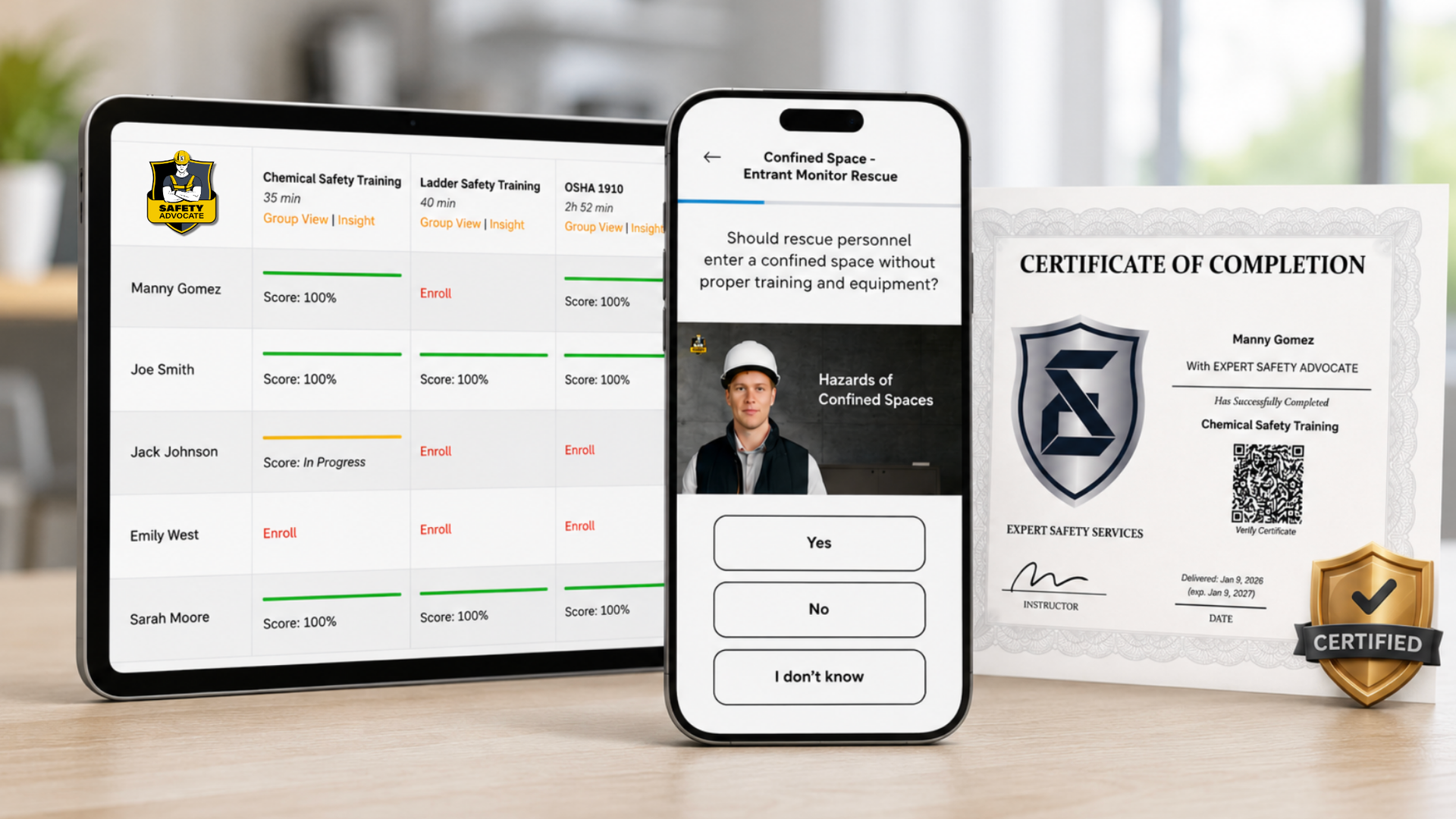
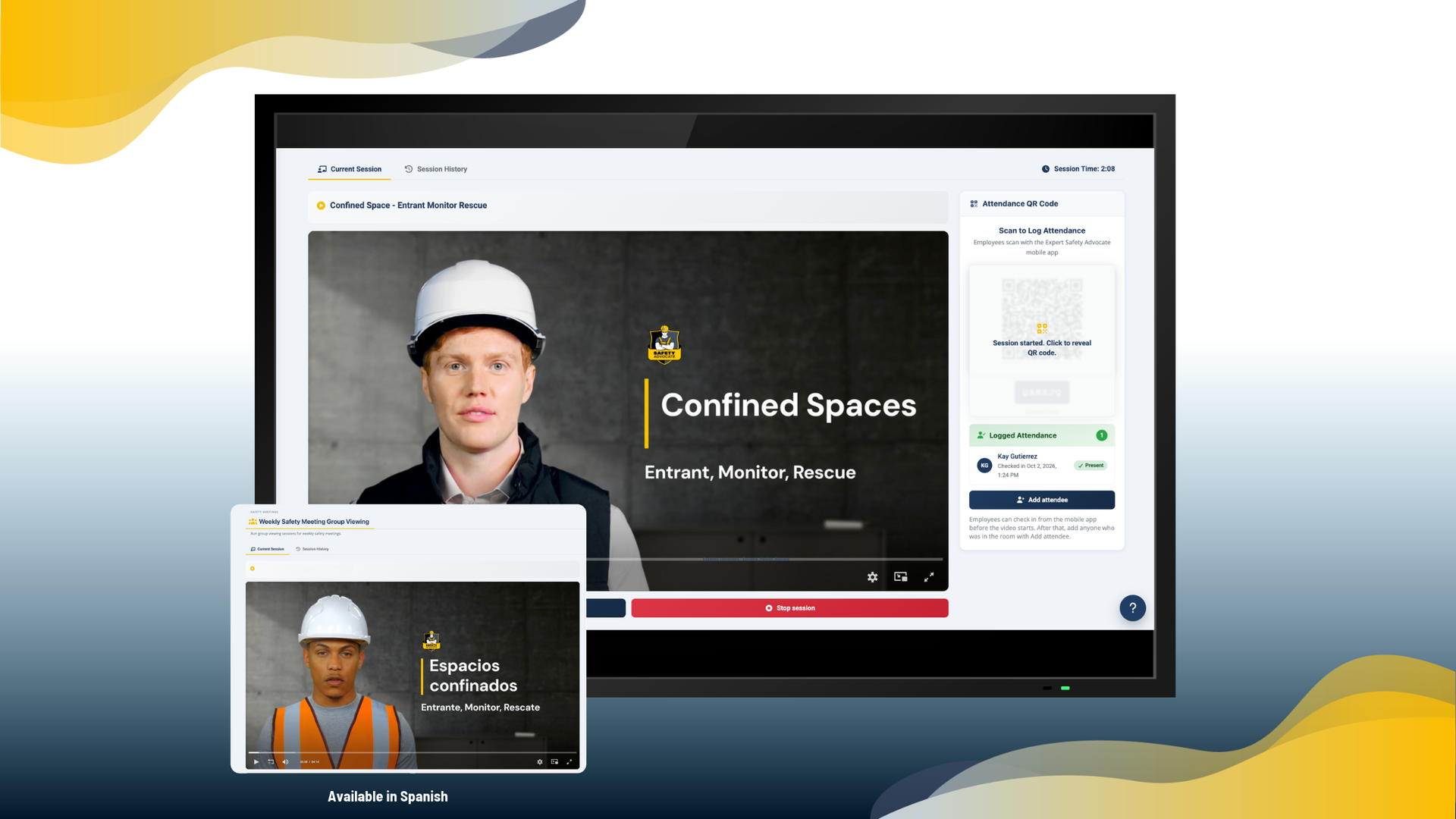
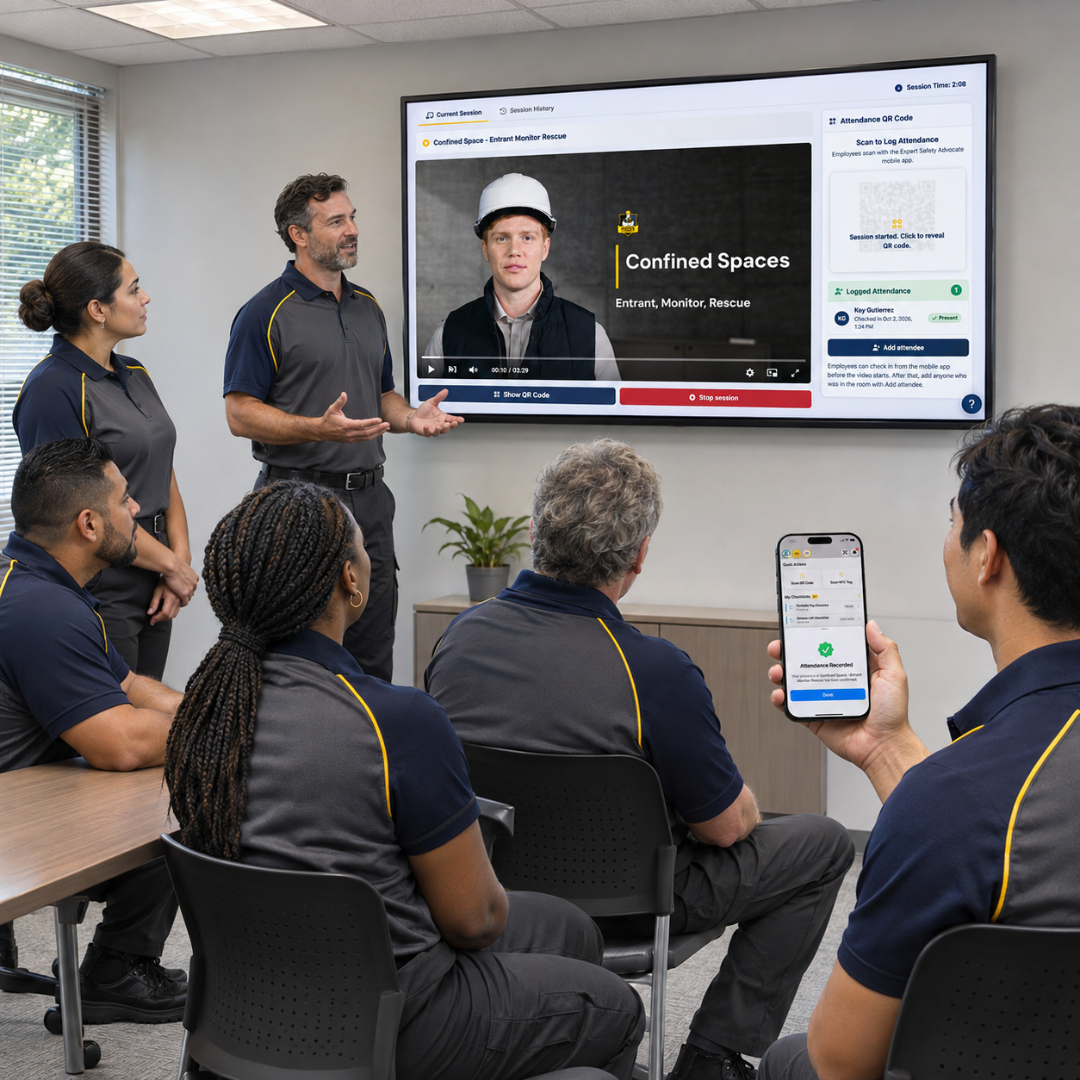
You can schedule a full month of Weekly Safety Meetings in advance so topics are ready when each week arrives. When it’s time to meet, play the short safety video on a shared screen so the whole crew watches and discusses it together. Everyone sees the same material at the same time, which makes it easier to pause for questions or share related experiences from recent jobs.
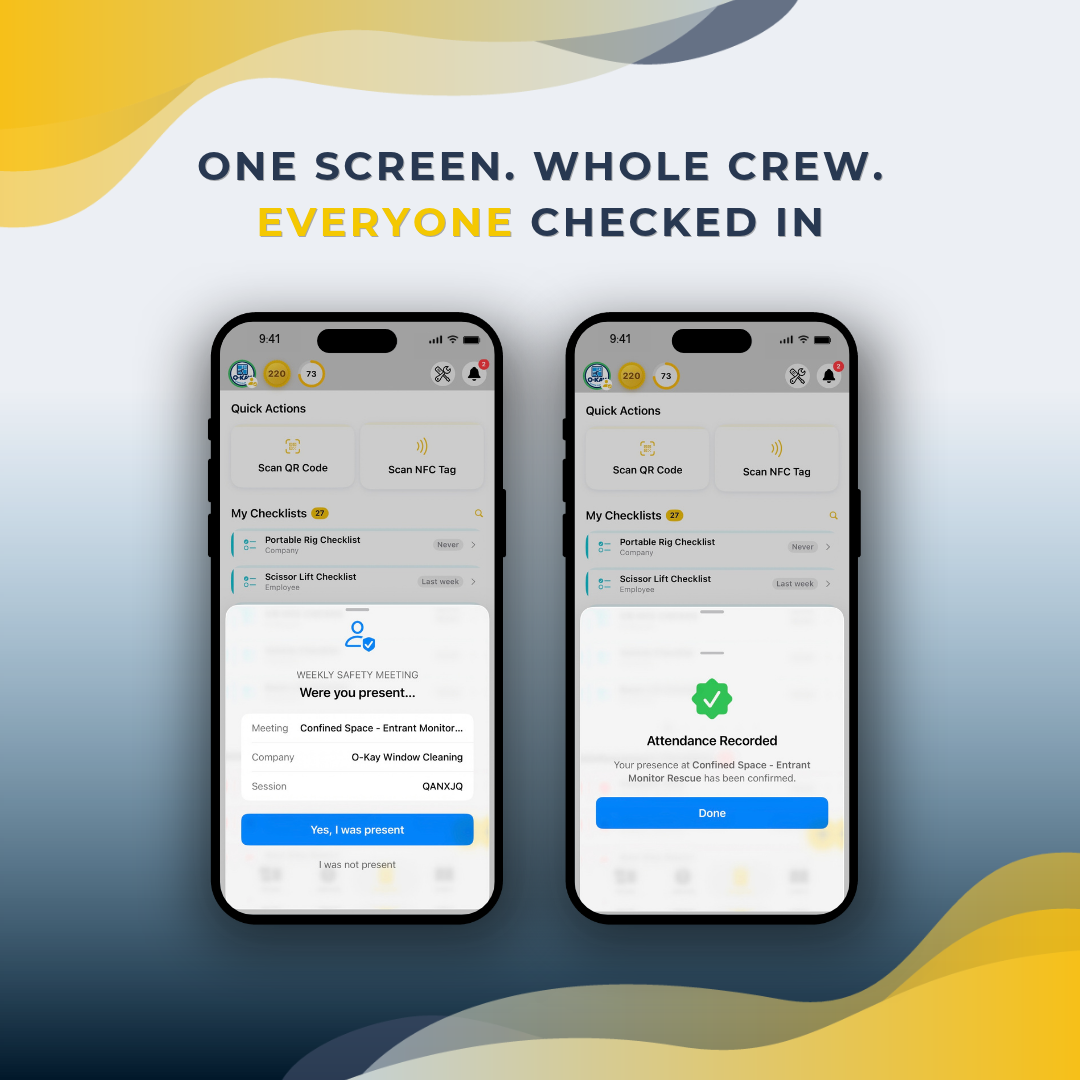
For group viewing, a QR code appears during the session. Crew members scan it with their phones to log their attendance. Check-ins are recorded automatically, so there’s no paper sign-in sheet or manual tracking.
Sessions are available in Spanish. Team members can follow the same video and key points, whether they’re watching with the group or reviewing later. This keeps the message clear for everyone on the crew.
Centering Meetings Around Short Videos
These focused videos cover specific topics - like ladder setup, chemical handling, or working at heights - with clear demonstrations and real-world examples. Supervisors can still assign videos for individual viewing on phones when a group meeting isn't practical, but many teams use them as the centerpiece of a shared session.
This approach keeps meetings short and on-topic, delivers consistent messaging, and provides clear documentation of a shared session.
The Real Payoff: Stronger Teams and Fewer Risks
These meetings do more than check boxes. Regular, well attended sessions help teams to stay aware of current risks and reinforce the right habits. Over time, this contributs to fewer incidents, better morale, and a culture where safety is just how things get done.
Tips to Get Started or Improve
- Schedule the month's meetings in advance.
- Rotate videos based on recent Jobsite Hazard Communcations, near-misses, or seasonal needs
- Follow the video with a quick discussion or quiz to reinforce key points
- End on a positive note, like recognizing safe practices from the week
- Review participation to identify trends or gaps
Consistent weekly safety meetings - especially those build around short, targeted videos - keep your safety program active and evolving. They turn individual learning into team strength, helping everyone stay protected on the job.
Consistent meetings help keep safety habits strong. Next up: Pillar 5 — PPE Inspection Checklists that make sure your gear is ready when you need it.
This blog post is for informational purposes only, explaining the Safety Advocate Program. It is not legal advice or compliance guidance.
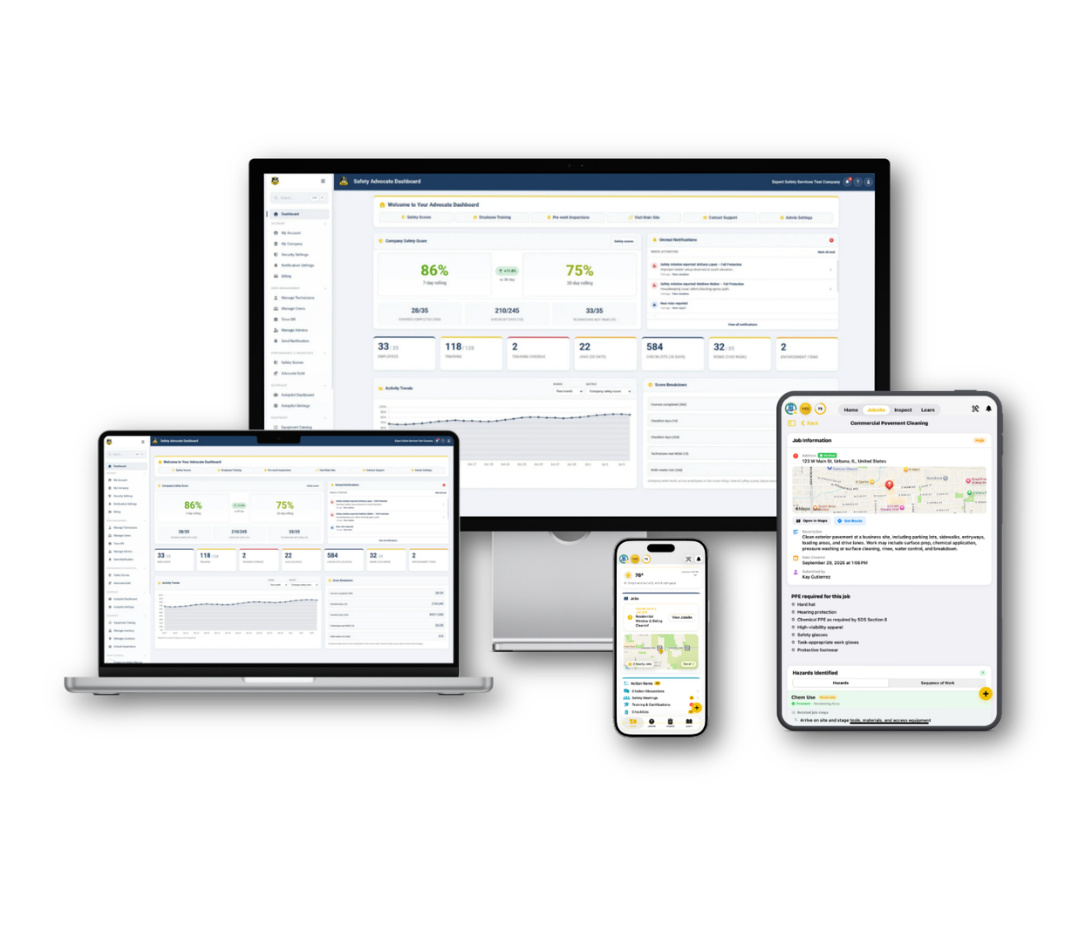
Contact us today to learn more about the Safety Advocate Program.
Contact Us
Featured Articles
This blog post is for informational purposes only, explaining the Safety Advocate Program. It is not legal advice or compliance guidance.